




About Us
Explain to you how all this mistaken denouncing pleasure and praising pain was born and we will give you a complete account of the system, and expound the actual teachings. Mistaken denouncing pleasure and praising pain was born and we will give you complete account of the system expound.
About Us


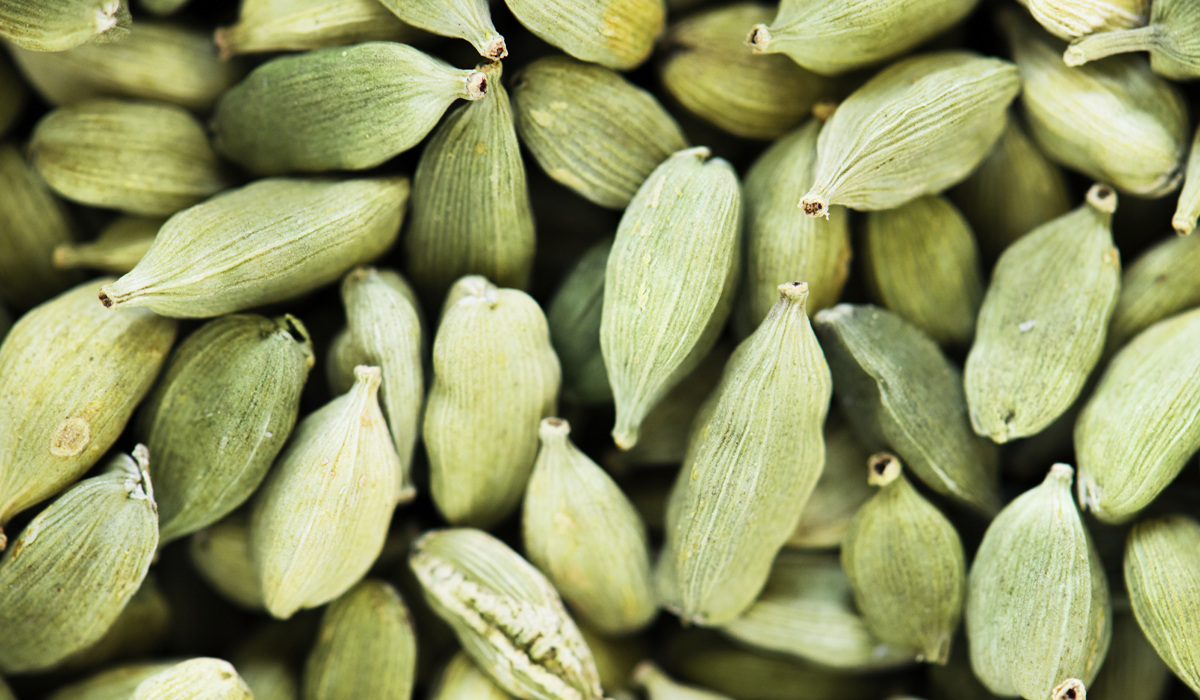
Take the jar of cardamom, inhale its aroma, and you will
encounter a blend of sweet, citrus, and warm flavors. Cardamom is celebrated as
the queen of spices, with few others boasting such a rich legacy. Known as
Elaichi in India, cardamom has been treasured for centuries. Following closely
in price are saffron and vanilla, attributed to its esteemed status. In this
blog, we will explore everything related to cardamom.
This spice is not merely an ingredient in Indian cuisine.
Its aromatic qualities infuse tradition and warmth into family recipes that
have been cherished for over 4,000 years.
Decoding Cardamom: Plant, Varieties, and Forms
Cardamom is a member of the ginger family, Zingiberaceae,
and its scientific designation, Elettaria cardamomum, reflects its ancient
agricultural heritage.
There are
two primary types of Cardamom
Green Cardamom (Choti Elaichi): These are small, green pods
that possess a floral and citrus-like sweetness. They are commonly used in
Indian desserts, chai, and light curries.
Black Cardamom (Badi Elaichi): These are large pods with a
smoky and earthy flavor, ideal for slow-cooked curries and meat dishes.
Ways to
Use It
- Whole pods: When added to biryanis and stews, the pods are left intact, allowing their flavor to be released gradually.
- Seeds: Ground or crushed, they provide a more concentrated flavor for spice blends.
- Powder: This form is quick and convenient for use in baking, chai, and everyday cooking.
These various forms offer an endless array of options for
chefs seeking either a subtle fragrance or a rich depth of flavor.
A Global
Journey: History and Origin
The story of cardamom begins in the verdant Cardamom Hills
of Kerala. Ancient Egyptians chewed it for fresh breath, while Greeks and
Romans incorporated it into their perfumes and oils. The Vikings transported it
to Scandinavia, where it became a beloved ingredient in breads and pastries.
Today, while India remains its original home, Guatemala has
emerged as another significant producer. From the kitchens of South India to
the bakeries of Europe, cardamom has rightfully secured its status as a global
spice.
Culinary
Applications: Enhancing Sweet, Savoury, and Beverages
Cardamom’s charm is rooted in its adaptability. It can
sweeten, balance, or intensify flavors based on its application.
- Desserts: Kheer, gulab jamun, sheer khurma, cakes, and cookies are all crafted with the essence of elaichi.
- Beverages: Masala chai, elaichi coffee, and thandai would not be the same without its distinctive aroma.
- Savory food: Green cardamom enhances the elegance of biryanis and kormas, while black cardamom provides depth to robust dishes like Rogan Joshes.
- Spice blends: From garam masala to chai masala and paan masala, as well as biryani masala, cardamom serves as the unsung hero that unites flavors.
It is rare to find a single spice fulfilling all these
roles: sweet, savory, and everything in between.
Cardamom
for Health and Wellness
Cardamom is valued not only for its flavor but also for its health benefits. Both traditional medicine and contemporary research recognize its advantages. What distinguishes cardamom is not merely its aroma, but its versatility. It is suitable for festive sweets and daily chai, in slow-cooked curries and modern baking. Additionally, it connects taste and health, providing digestive relief, heart support, and immune enhancement alongside its flavor.
- Rich in nutrients: A source of zinc, potassium, magnesium, and vitamin C.
- Digestive aid: Assists with nausea, indigestion, and bloating. Many individuals chew it post-meals for relief.
- Oral health: Its natural antimicrobial properties keep the mouth fresh and help prevent cavities.
- Heart health: May assist in lowering blood pressure and reducing inflammation.
- Immune support: Antioxidants bolster the body’s defenses.
It is no surprise that it is regarded as both a spice and a natural remedy.
Conclusion
In conclusion, we have explored the multifaceted nature of
cardamom. This spice, which originated in the hills of South India where it was
first cultivated, has traveled across continents and cultures. Throughout its
journey, it has garnered titles, traditions, and devoted admirers. In India, it
symbolizes celebration, seamlessly blended into kheer or biryani.
-
 Dec 16, 2025 Why Purchase Organic Spices from Kerala?
 -
 Dec 16, 2025 All About Cardamom – The Queen of Spices
 -
